DirectX Ray Tracing Cuts Memory 90%: What It Really Means
Microsoft has previewed the biggest change to DirectX Raytracing (DXR) since it launched in 2018, and the headline number is eye-catching: up to 90% less memory for ray tracing data. But the figure comes from one Microsoft demo, so here is what it measures, which GPUs are involved and when gamers might actually see it.
Quick summary
- Two new DXR features, Clustered Geometry and Partitioned TLAS (PTLAS), arrived in Agility SDK 1.722-preview on 28 October 2026.
- In Microsoft's sample on a Radeon RX 9070, acceleration-structure memory fell from 7,519 MiB to 774 MiB (89.7%).
- Frame rate in that sample rose from 1.2 fps to 79 fps; build time dropped from 788 ms to 3.11 ms.
- It is a developer preview: no release date for finished games, and developers must add support.
What are Clustered Geometry and Partitioned TLAS?
Ray tracing needs "acceleration structures", data that lets the GPU quickly find what a ray hits. Normally a whole model's structure is rebuilt when it changes, which is slow and memory-hungry. Clustered Geometry splits models into small clusters of up to 256 triangles that are built once and reused. Partitioned TLAS does something similar for the whole scene, splitting it into regions so only the parts that changed get updated.
PC Gamer compares it to Nvidia's RTX Mega Geometry, but for every GPU vendor rather than just one.
How big are the gains really?
| Metric (Microsoft sample, RX 9070) | Traditional | Clustered Geometry |
|---|---|---|
| Frame rate | 1.2 fps | 79 fps |
| Build time per frame | 788 ms | 3.11 ms |
| Acceleration-structure memory | 7,519 MiB | 774 MiB |
Notebookcheck also reports a separate PTLAS sample where the top-level update fell from 2.88 ms to 0.79 ms per frame, though ray traversal got slightly slower.
Does this cut total VRAM use by 90%?
No. The 90% refers only to acceleration-structure memory, not textures, buffers or render targets. Most of the saving in the sample also came from animated geometry (6,794 MiB down to 244 MiB, per PC Tech Vault's breakdown of Microsoft's table), so a game with less animation will save less. Microsoft itself warns real games will not see this magnitude of wins.
There is a trade-off: scratch memory needed during builds goes up, from about 1.83 MiB to 526 MiB for static builds in the same sample.
Which GPUs and games will benefit?
Game Tech Report says the preview supports RTX, Radeon RX 9000 and selected Intel GPUs. Developers can try it with the matching Agility SDK preview headers, a supporting driver and Windows Developer Mode. There is no date for shipping games, so nothing changes for players yet.
Why does it matter for gamers in India?
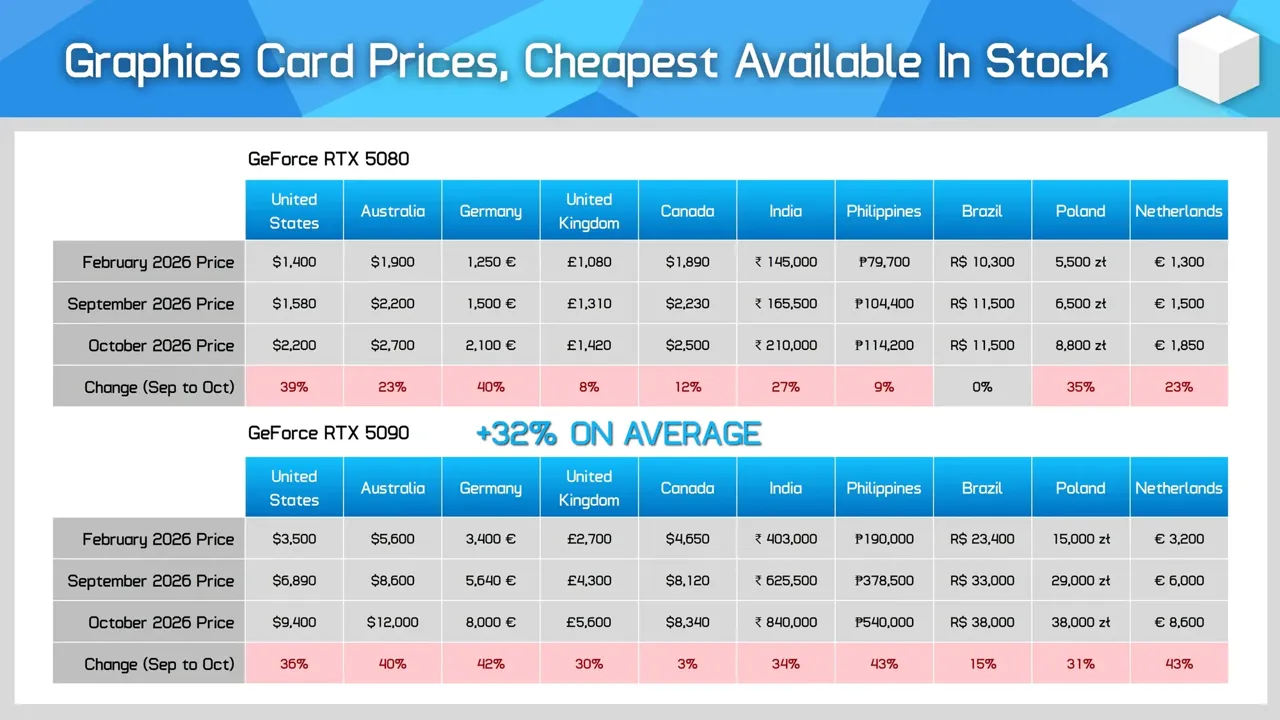
GPU and RAM prices have risen sharply this year, as we covered in GPU prices up 35% in three months. Software that lets 8 GB and 12 GB cards handle ray tracing better could extend the life of existing hardware. If you are building on a budget, see our budget gaming PC build guide.
Verdict
Promising, but a developer-level preview. Treat the 90% as a best-case demo and watch for engines such as Unreal and games announcing support before changing any buying decision.
Frequently asked questions
What is Clustered Geometry in DirectX?
A DXR feature that splits models into clusters of up to 256 triangles that are built once and reused, instead of rebuilding whole structures.
Will DirectX cut my VRAM use by 90%?
No. The 89.7% figure covers only acceleration-structure memory in one Microsoft demo, not total VRAM.
When can gamers use it?
There is no release date yet. It is a developer preview in Agility SDK 1.722-preview and games must add support.
Is it only for Nvidia?
No, the preview supports RTX, Radeon RX 9000 and selected Intel GPUs.
Related articles
 Xbox Layoffs: What We Know About the Next Waves in 2026
 Grok Invisible Text Watermark From Nov 7: What It Means
 OpenAI Google TPU Purchase Report: What It Means for Nvidia
 Claude Code Blocks Game Clones: What the Opus 5.5 Rule Means
PC Gamer
Digital Foundry
Notebookcheck
TechSpot
Images belong to their respective owners and are used for news reporting and commentary.