US Proposes Up to 35% Tariffs on Vietnam — and Your Next Console Could Cost More
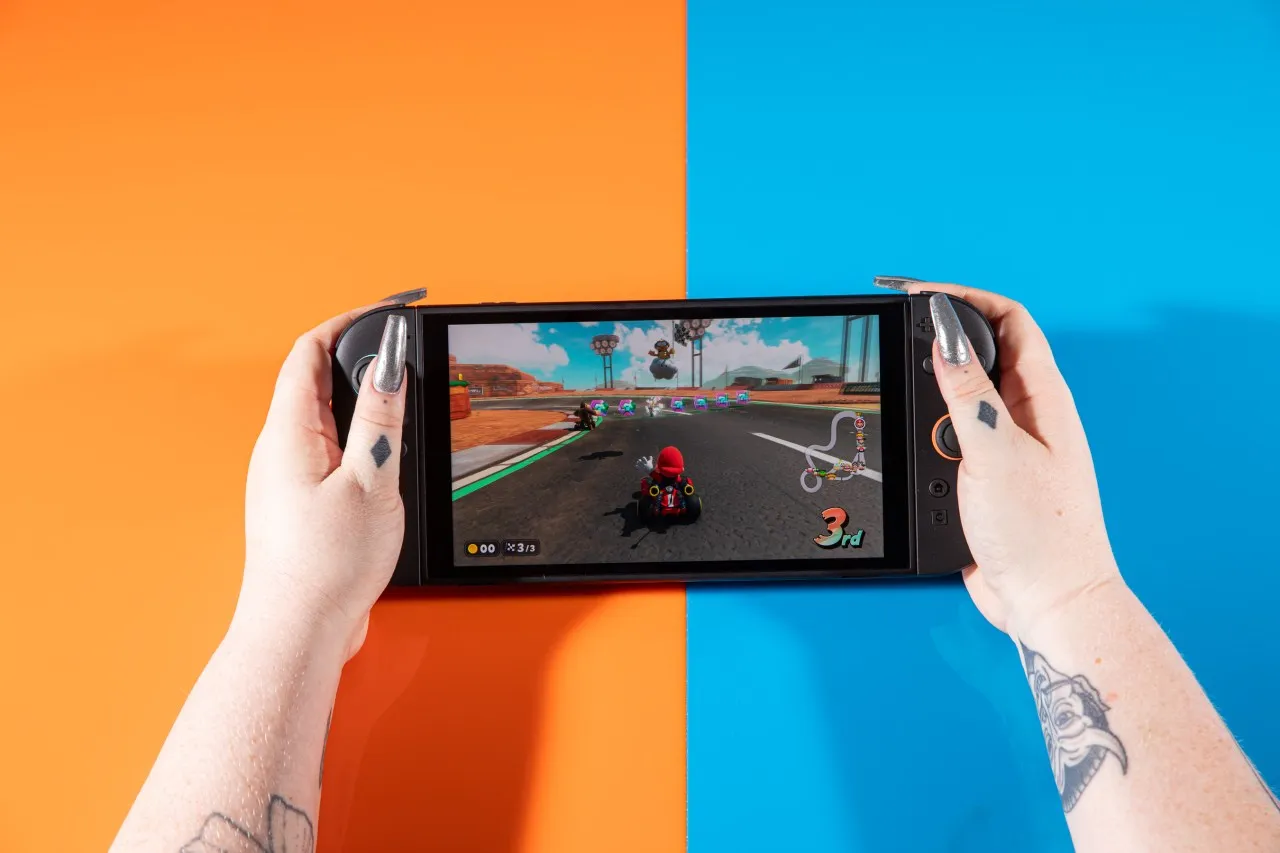
The United States has proposed new tariffs of up to 35% on goods from Vietnam, and up to 25% on goods from India — and if they go through, the next PlayStation, Xbox or Switch 2 you buy could cost more. The proposal, announced by the Office of the United States Trade Representative (USTR) on November 25, covers 14 economies and is aimed at what Washington calls "structural excess capacity" in manufacturing. But here is the important part: nothing is final yet. These are proposed rates, not law, and the final decision is not expected until early 2027.
Quick summary
- The USTR proposed additional tariffs of up to 35% on Vietnamese goods and up to 25% on Indian goods on November 25, 2026.
- Consoles are the worry for gamers: the Switch 2 is largely made in Vietnam, while the PS5 and Xbox are mostly made in China, which faces a proposed rate of up to 20%.
- Nothing is in effect yet. Public comments are due January 5, 2027, hearings start January 25, and a final decision is expected between February and March 11, 2027.
- Rates can come down: Vietnam's rate drops to 20% and India's to 17% if the countries reach a trade agreement with the US.
- This is not the first tariff hit on consoles — Nintendo and Sony have already raised prices in 2025 citing tariffs and rising costs.
What exactly was proposed
The USTR's announcement covers determinations in 14 of its 16 Section 301 investigations into manufacturing overcapacity. The proposed additional tariff rates are: up to 35% for Vietnam, up to 25% for India, up to 20% for China and Singapore, 18% for Bangladesh, Cambodia, Indonesia, Malaysia and Thailand, and 15% for the EU, Japan, South Korea, Switzerland and Taiwan. China faces a higher ceiling of 40% if the current US-China trade truce, which expires January 10, falls apart.
The rates are described as ceilings, not fixed charges, and they would be applied net of existing tariffs rather than simply stacked on top of them. There is also a list of 2,121 exempt products, and goods already covered by separate national-security tariffs — including semiconductors — are excluded. So a console's chips would not be hit twice, but the finished console itself could be.
Why this matters for console prices
Vietnam is the key country for Nintendo. The Switch 2 is largely manufactured in Vietnam, which is exactly why it faces the highest proposed rate of any country on the list. Nintendo has already been feeling tariff pressure: the company raised Switch 2 accessory prices earlier this year and has repeatedly warned that tariffs could force further increases. A 35% tariff on the country where the console is built would be hard for Nintendo to absorb without passing some of it on.
Sony and Microsoft are in a slightly better position, but not by much. The PS5 and Xbox Series consoles are mostly made in China, which faces a proposed rate of up to 20% — and a 40% ceiling if the trade truce collapses. Sony already raised PS5 prices in several regions in 2025, citing the economic environment, and the PS5 Pro launched at a premium price partly because of rising manufacturing and logistics costs. Another round of tariffs would push in the same direction.
For India specifically, the proposed 25% rate applies to Indian goods exported to the US — India is not a major console manufacturer, so the direct effect on Indian gamers is smaller. But India imports most of its consoles, and if global console prices rise because of US tariffs, Indian prices tend to follow: the PS5 and Switch 2 already cost more in India than in the US, and any further increase lands on top of import duties and GST. Our Switch 2 price guide explains why the console costs what it does in India, and our NVIDIA RTX 50 GPU supply report covers the same squeeze happening on the PC side, where memory shortages are already pushing graphics card prices up.
What happens next
The process now runs on a fixed timetable. Written comments and requests to appear at the hearings are due January 5, 2027. The public hearings begin January 25, 2027. Under US procedure, the earliest a final decision is expected is February 2027, and the latest is March 11, 2027. Between now and then, the rates can change — and the USTR has explicitly said lower rates apply if countries reach trade agreements with the US.
That gives console makers months to prepare. They can shift production, stockpile inventory, or negotiate — and in past tariff rounds, that is exactly what they did. But it also means the uncertainty hangs over the whole industry through the first quarter of 2027, which is when Nintendo, Sony and Microsoft would normally be planning their spring lineups and price strategies.
Frequently asked questions
Are the US tariffs on Vietnam and India in effect yet?
No. The USTR's November 25 announcement is a proposal, not a final decision. Public comments are due January 5, 2027, hearings start January 25, and a final decision is expected between February and March 11, 2027.
How much could console prices rise because of the tariffs?
Nobody knows yet, because the rates are not final and console makers may absorb some of the cost, shift production, or negotiate exemptions. But Vietnam faces the highest proposed rate at 35%, and the Switch 2 is largely made there — so Nintendo's hardware is the most exposed.
Why is Vietnam's proposed tariff rate the highest?
The USTR's investigation covers 14 economies, and Vietnam faces a proposed ceiling of 35% — higher than China's 20% or India's 25%. The rate drops to 20% if Vietnam reaches a trade agreement with the US.
Will console prices rise in India too?
India is not a major console manufacturer, so the tariffs do not hit Indian-made goods directly. But if global console prices rise, Indian prices usually follow, because India imports its consoles and already adds import duty and GST on top of the global price.
Have tariffs already raised console prices before?
Yes. Nintendo raised Switch 2 accessory prices in 2025, Sony raised PS5 prices in several regions the same year, and both companies cited tariffs and rising costs. The industry has been dealing with tariff pressure since the first round of US tariffs on Chinese goods.
Related articles
 Ubisoft Reportedly Makes Developers Justi…
 Ex-Dragon Age Boss Says EA Gave BioWare O…
 PlayStation's Creator Says He Talked Micr…
 Resident Evil Requiem Is Being Review-Bom…
Lexology — US: USTR Proposes Section 301 Tariffs on 14 Economies Over "Structural Excess Capacity" (November 26, 2026)
EconoTimes — USTR Proposes Tariffs on 14 Economies as Markets Slide (November 26, 2026)
Vietnam News — Proposed US tariff on Vietnamese goods not final decision: ministry (November 26, 2026)
Pro-Gamer.gg — US Proposes Up to 35% Tariffs on Vietnam: Why PS5, Xbox, and Switch 2 Prices Could Rise Worldwide (November 26, 2026)
Hero image: Amelia Holowaty Krales / The Verge.