Ocarina of Time Remake vs Original: Every Change Explained
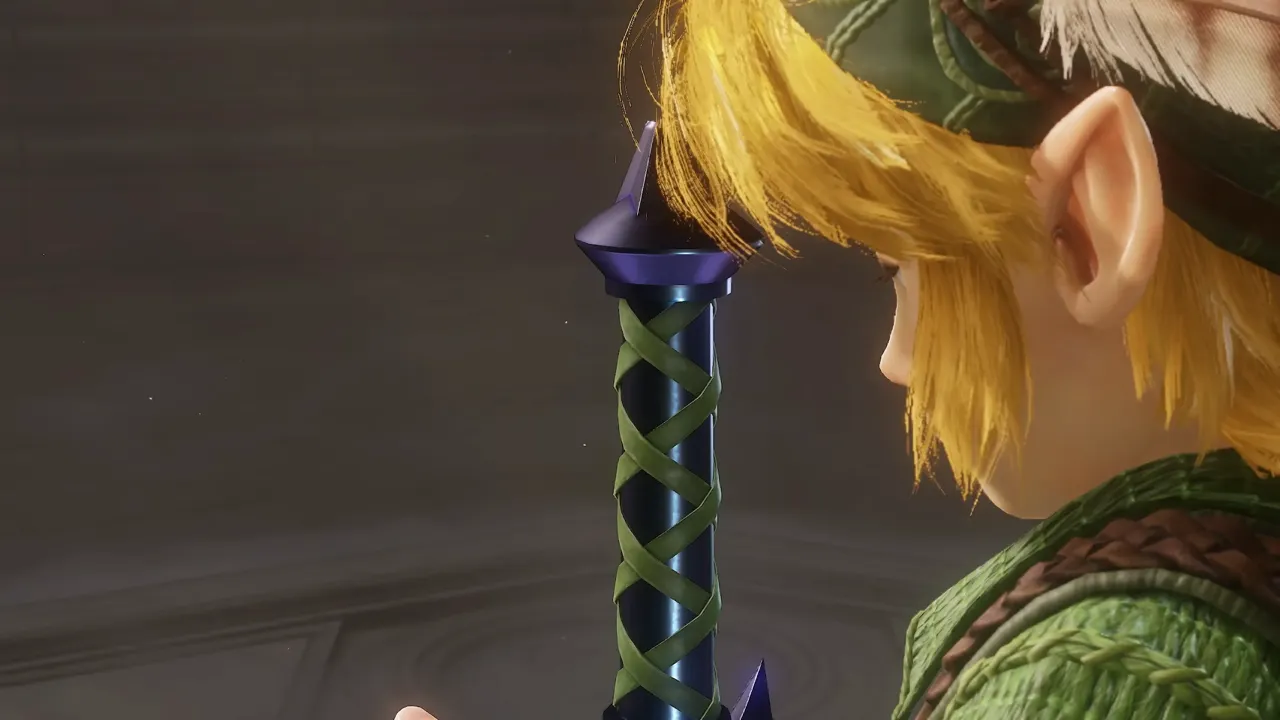
The Legend of Zelda: Ocarina of Time remake arrives on November 5, 2026 for Nintendo Switch 2 only. Nintendo calls it a classic tale "built from the ground up", and early previews agree it is not a simple 1:1 remake. The story, dungeons and overall world layout stay familiar, but the way you move, fight, talk to people and track your progress has changed a lot. Here is exactly what is different from the 1998 Nintendo 64 original, based on Nintendo's own material and hands-on previews.
Quick summary: what changed in the remake?
- Fully rebuilt visuals, 60 fps, orchestral music and voiced cutscenes.
- A manual jump button, sprinting, free camera and gyro aiming, with the classic control scheme still available.
- Expanded dialogue, a connected Castle Town and fewer Navi interruptions.
- New features: Threads of Time quest log, fairy thoughts, a boss-rematch Hall of Fallen Foes and three HUD modes.
- Tweaked puzzles and encounters, especially in the Forest Temple.
How different does the Ocarina of Time remake look and sound?
Everything has been redrawn, from environments and character models down to the textures of individual materials. Previews describe a denser world, with more plants in Kokiri Forest and more people in Hyrule Castle Town, plus lighting effects that feel far richer than anything on the N64. The remake runs at 60 frames per second, according to previews and Nintendo Everything's report on the confirmed frame rate.
Audio has had the same treatment. The N64's synthesised score is replaced by symphonic orchestral music, sound effects have been refreshed and cutscenes are now voiced. Loading times are shorter too, although Nintendo's Eiji Aonuma said the team deliberately kept loading screens between large areas to preserve the spirit of the original.
Original vs remake: side-by-side comparison
| Feature | Nintendo 64 original (1998) | Switch 2 remake (2026) |
|---|---|---|
| Graphics | Low-poly 3D | Completely rebuilt visuals |
| Frame rate | Low frame rate (varies by region) | 60 fps |
| Jumping | Automatic at ledges | Manual jump button |
| Movement | Walk, run and roll | Hold A to roll, then sprint |
| Camera | Mostly fixed, limited control | Free camera with the stick |
| Aiming | Analog stick | Gyro aiming supported |
| Music and voices | Synth score, text-only cutscenes | Orchestral score, voiced cutscenes |
| Bottles | Four | Five |
| Wallet | Upgrades required | Carry up to 200 rupees from the start |
| Progress tracking | Navi hints, pause menu | Threads of Time quest log and tapestry |
| Boss rematches | None | Hall of Fallen Foes, timed rematches |
Does the Ocarina of Time remake have new controls?
Yes, and this is the biggest day-to-day change. In the original, Link jumped automatically when you ran at a ledge. The remake adds a button for jumping, a roll-then-dash move when you hold A, free camera control, one-button item swapping and motion-controlled aiming for the slingshot and similar items. Z-targeting is still there, and previews say players can keep the classic control scheme if they prefer it.
Because Link can now jump on command, some puzzles had to be redesigned. According to Vice's roundup of previews, the Kokiri Sword challenge now asks you to jump to a raised chest.
What new features did Nintendo add?
Nintendo has revealed several new systems that did not exist on the N64:
- Threads of Time: a quest log that shows story progress and your next objective, while a tapestry fills in as you advance.
- Fairy thoughts: spots in the world where Navi shares secrets or hints. Navi also now interrupts less often and can show comments in speech bubbles.
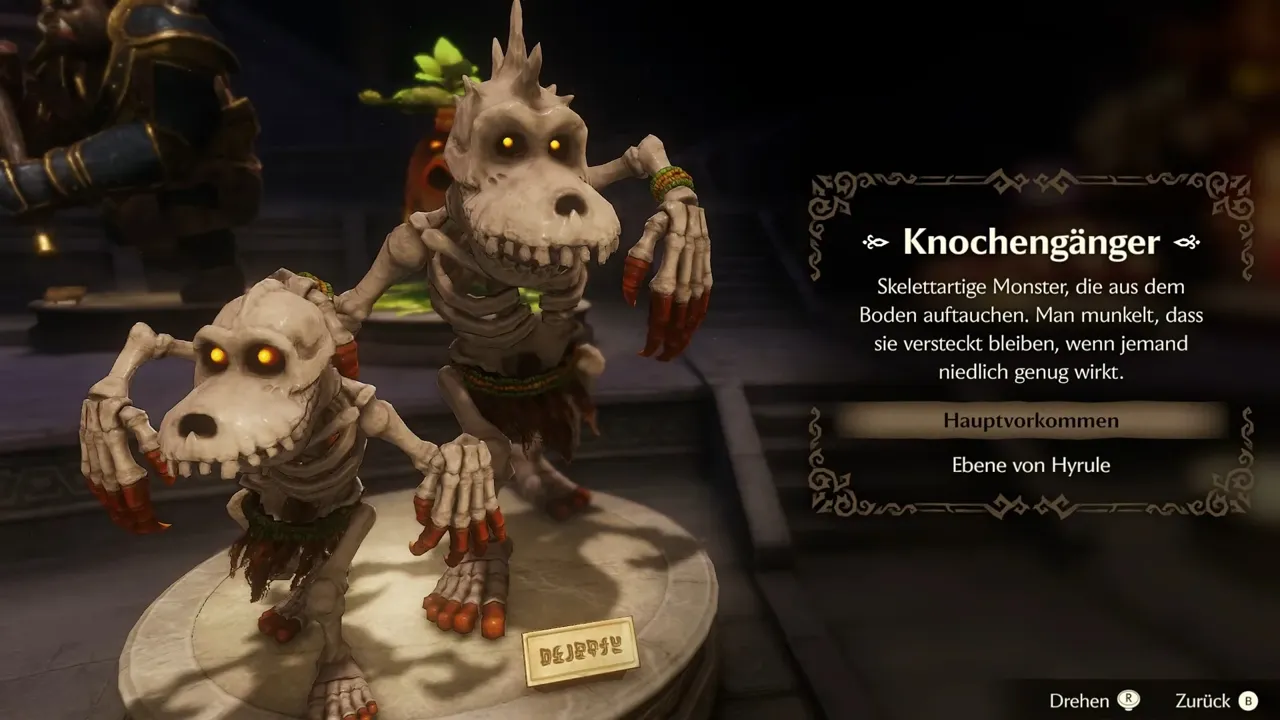
- Hall of Fallen Foes: a museum-style place later in the adventure with statues of defeated monsters. You can look up their details and replay strong enemies and bosses as timed rematches.
- HUD options: Normal, Pro and Master settings, from the standard display to no HUD at all.
- Ocarina playing: melodies can be hummed into the microphone or played on a real instrument, and a song book reminds you of the button inputs.
- ZELDA NOTES: a companion section in the Nintendo Switch app with a map, a photo studio, a diary, a virtual ocarina and a quiz.
Small additions include a fifth bottle from the potion shop, a seed that summons a Deku salesman so you can restock ammo, a scarecrow training dummy in Kokiri Forest, and support for all existing Zelda amiibo. Two new Ocarina of Time amiibo are planned for 2027.
Are the dungeons and puzzles the same?
Mostly familiar, but not identical. Previewers who played the Forest Temple report new cutscenes, revised encounters and rebuilt structures. One Stalfos fight now keeps an acid hazard on the floor throughout, and a floating platform in the Great Deku Tree becomes a damaged bridge attached to the environment. Giant Skulltulas also attack differently, and cracks in the floor now mark spots where bombs reveal hidden rooms.
Din's Fire also behaves differently: the game keeps running while the spell is cast, whereas the world froze in the original. The overall world remains compact and linear, with small shortcuts opened up by Link's new movement.
Is Castle Town different from the N64 version?
Very. The market, backstreets and shops form one connected space that you can explore with a freely controlled camera and without loading screens between buildings. Areas that were only painted backgrounds on the N64 are now real places, and some residents give useful advice, including a new character who warns Link not to spend all his money. Time also keeps passing in the market now.
Should you buy it if you have played the original?
If you loved the N64 game or the 3DS version, the remake offers a fresh way to replay it, with modern controls and quality-of-life fixes. If you want a Breath of the Wild-style reinvention, previews suggest this stays closer to the original's structure. Check the price, size and pre-load details in our Ocarina of Time remake price in India and file size guide, and see what else lands next month in our November 2026 game releases list.
Frequently asked questions
Is the Ocarina of Time remake a full remake?
Yes. Nintendo says it is built from the ground up for Switch 2 with completely overhauled visuals, but the story, dungeons and world layout stay recognisable.
Does the remake have a jump button?
Yes. Link no longer jumps automatically at ledges, and holding A makes him roll and then dash.
Does the Ocarina of Time remake run at 60 fps?
Yes, previews and Nintendo Everything report that the game runs at 60 frames per second.
Can I still use the old controls?
Previews report that players can keep the classic control scheme if they prefer it.
When does it release?
November 5, 2026, exclusively on Nintendo Switch 2.
More from GameDrop
- Crimson Desert Ships, Ocean and Marriage Unlock Guide
- Fortnite Treasure Hunters: One Piece Start Time in India, Skins
- GeForce NOW India 4-Month Plans: ₹3,499 Price and Savings
Nintendo Switch 2 product page
Vice
Nintendo Everything
Nintendo Connect
Images belong to their respective owners and are used for news reporting and commentary.