Nova Lake 5.1 GHz Limit Above 90°C: What the Leak Means
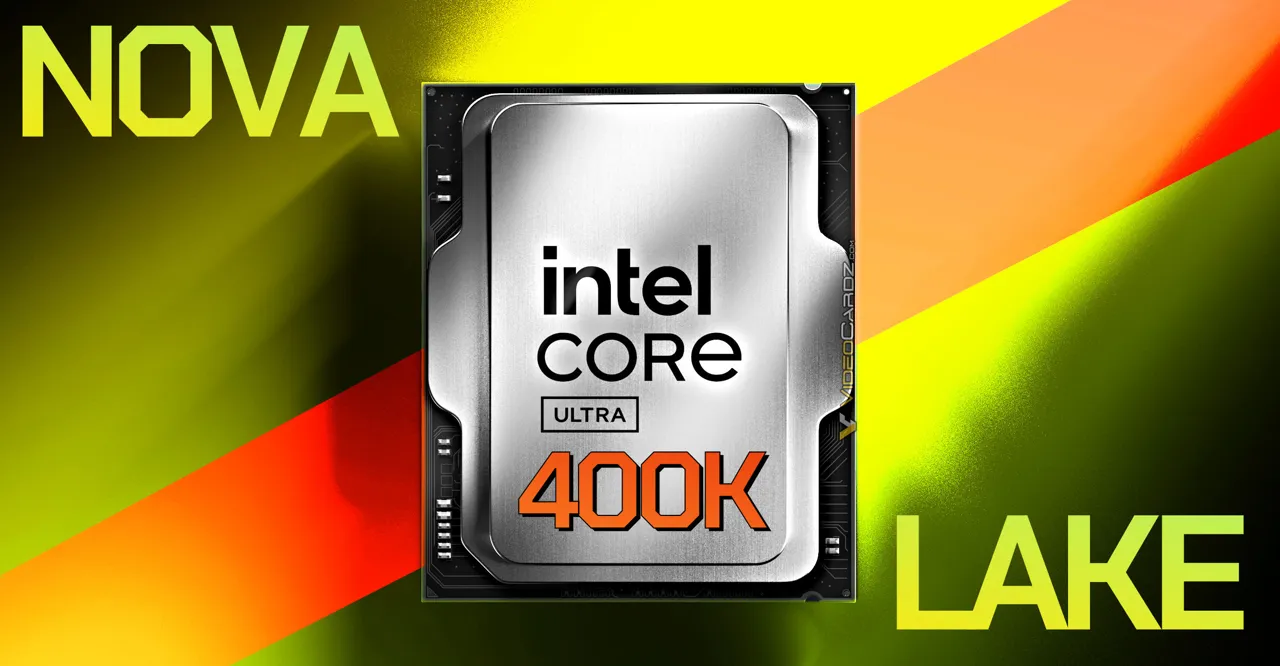
A new Intel Nova Lake leak is about heat, not core counts. Leaker Jaykihn says Nova Lake-S desktop processors will "universally limit the maximum core frequency to 5.1GHz when above 90C", separate from normal thermal throttling at 100°C. This is unconfirmed and described by the leaker as preliminary. Tom's Hardware, which covered it on November 5, notes that Jaykihn is "reasonably reliable".
Quick summary
- Claim: above 90°C, Nova Lake desktop cores are capped at 5.1 GHz (unconfirmed, from leaker Jaykihn).
- It reportedly cannot be shifted upward, unlike some past thermal settings.
- This is not the same as saying the chips max out at 5.1 GHz.
- Tjmax is claimed to be 100°C, down from 105°C on Arrow Lake.
- Nova Lake desktop is expected around very late 2026 or early 2027, with flagship and bLLC models later.
Does this mean Nova Lake tops out at 5.1 GHz?
No, and this is where a lot of headlines go wrong. Tom's Hardware stresses that the leak does not say the chips cannot go above 5.1 GHz, and it does not say 90°C is the thermal limit. The implication is that boost clocks can rise well past 5.1 GHz while the cores stay cooler than 90°C, and drop to 5.1 GHz when they do not.
Tom's Hardware compares it to Intel's Thermal Velocity Boost, which also lets a chip run higher only when it has thermal headroom.
Why would Intel add a 90°C clock limit?
Intel has said nothing, so any reason is speculation. Tom's Hardware points out that the compute tiles are reportedly built on TSMC's N2P, a dense node without back-side power delivery, while other tiles use Intel 18A or 18A-P. Dense chips concentrate heat, so a firm limit could push users toward good cooling. It may also simply be a way to keep stock behavior tidy. That reading is ours, not the leaker's.
What does it mean for overclockers and tuners?
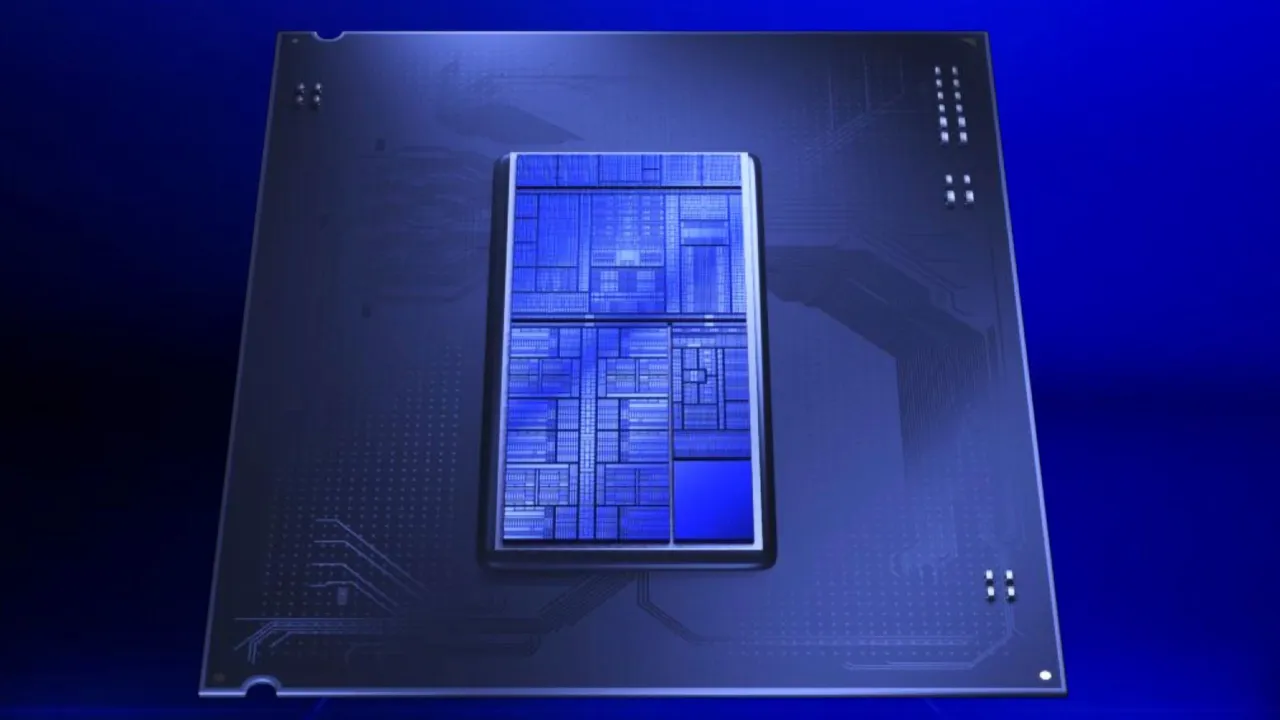
Historically Intel lets users adjust the thermal throttle point in tools like XTU. Per the leak, this 90°C threshold cannot be raised. Tom's Hardware suggests that would nudge tuners toward undervolting to keep temperatures down. Since the report is based on leaks and engineering samples, the behavior could differ on final retail or overclock-unlocked chips.
How does it compare with AMD and Arrow Lake?
| Item | Reported figure | Source |
|---|---|---|
| Nova Lake-S clock cap above 90°C | 5.1 GHz | Jaykihn (unconfirmed) |
| Nova Lake Tjmax | 100°C | Jaykihn via Tom's Hardware |
| Arrow Lake Tjmax | 105°C | Tom's Hardware |
| Core Ultra 9 285K / Ryzen 9 9950X peak | Up to 5.7 GHz | Tom's Hardware |
| Zen 6 desktop peak (rumor) | Above 6 GHz | Rumors cited by Tom's Hardware |
If both rumors hold, Tom's Hardware says Intel could face roughly a 20% clock disadvantage at 5.1 GHz, though the chips are expected to boost higher with proper cooling. Real gaming results will depend on the bLLC cache models. For what else has leaked, read our Nova Lake gaming leak report and the Core Ultra 9 4970K BFC specs.
Should you worry before buying?
Not yet. Most people never see 90°C with a decent cooler, and the full effect is unknown. Wait for reviews. Tom's Hardware expects the first Core Ultra 4000 desktop parts very late this year or very early next year, while the 52-core flagship and bLLC versions are not expected until next summer.
Frequently asked questions
Is the Nova Lake 5.1 GHz limit confirmed?
No. It comes from leaker Jaykihn and is labeled preliminary. Intel has not commented.
Does Nova Lake only reach 5.1 GHz?
No. The claim is that clocks cap at 5.1 GHz only when cores are above 90°C. Cooler chips can boost higher.
What is Nova Lake's Tjmax?
The leak claims 100°C, compared with 105°C for Arrow Lake.
When will Nova Lake launch?
Tom's Hardware expects Core Ultra 4000 desktop parts very late 2026 or early 2027, with the flagship and bLLC models around next summer.
Related articles
Core Ultra 9 4970K BFC: Leaked Specs, 28 Cores, CacheIntel Nova Lake: 20% Gaming Leak, bLLC and Release Date Intel Wildcat Lake Refresh Q2 2027, Moon Lake Q4: Leak ExplainedIntel Z990 Motherboards: Nova Lake LGA1954 and Z890 Support
Tom's Hardware: Nova Lake 5.1 GHz clock limit
PCMag Middle East: Nova Lake throttle report
Images belong to their respective owners and are used for news reporting and commentary.